Why are my hens not laying?
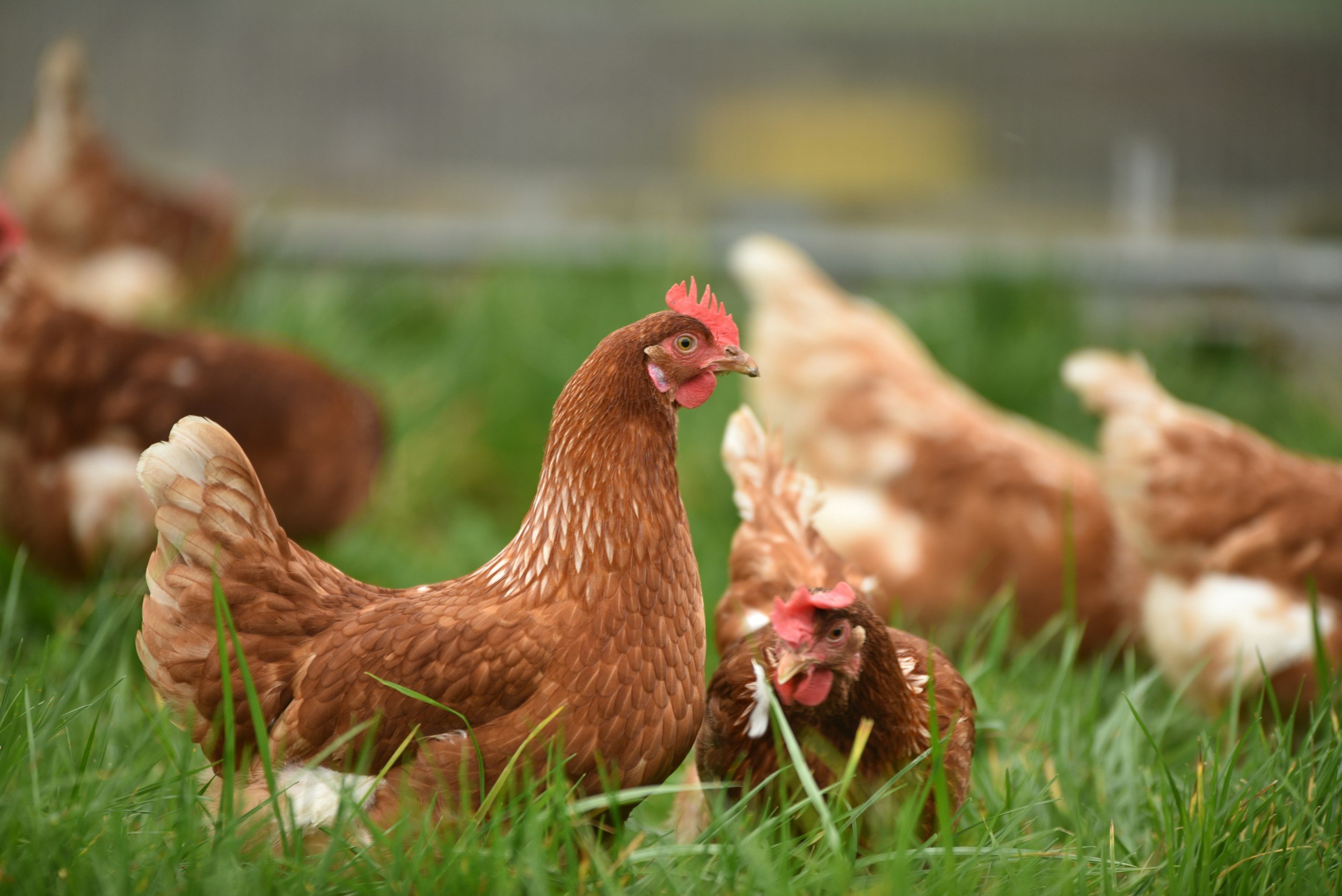
This if a common question starting in late August each year. Let’s go through some possible causes for decline or stopping lay.
The first and most likely reason for declining or stopping laying eggs is age. A laying hen has a natural cycle based on her genetics and environment of how many eggs she will lay. Many standard breed hens will lay between 150 – 250 eggs depending on the breed and environment. Hybrid or Sex-linked varieties are now bred to lay 315 or more eggs in a year or laying cycle. No matter what breed of chicken, duck, turkey, quail or other laying fowl, they all have a limit on how long they will lay and how many they will lay. Part of the natural cycle or the instinct to lay is related to environment. Most connected to lighting or amount of light. A hen’s instinct is to start breeding in the spring when the day length is getting longer. Then as the days continue to increase, she will be stimulated to start laying eggs. This stimulation occurs in the pituitary gland by the production of hormones. https://www.sciencedirect.com/science/article/pii/S0032579119361279#:~:text=Upon%20photostimulation%2C%20GnRH%20stimulates%20the,stimulates%20the%20release%20of%20GnRH.
When day length reaches 12 or more hours the hen will be stimulated to lay. 14 to 15 hours of light have been shown to be the optimal amount for continued egg production. The decline of eggs produce works the same way. When the days are getting shorter and under 14 hours egg stimulation or production will begin to decline. Along with the declining daylight she is older and hopefully has laid many eggs for you. Eventually with declining daylight the hen will stop laying. This is a time in her life cycle for molting. The time to recycle her body functions and feathers. Unless additional lighting is supplied her decline in eggs will be inevitable.
Access to water – this may happen at any time during the year. I hear of incidents occurring in the summer and winter months. In the summer months, I often find that poor placement of water devices is the biggest culprit to decline of egg production. Water drinkers should ALWAYS be clean, potable, provided in the shade, within four to six feet of the feed, and temperate appropriate for the time of year. These basic rules of water apply during all seasons. When a hen is denied or restricted access to water, she will reduce the amount of eggs laid. If the restriction persists for more than an hour or two, the reduction of eggs laid will be significant. A flock of chickens without water for four hours or more will most likely result in a triggered molt and reduction of laying to near zero. Water whether too hot, frozen, improper placement – like in direct sunlight, poor quality or other issue is a huge impact on productivity.
Feed – Feed can influence egg laying. However, we find that effects from feed are much slower or gradual. From my experience, something missing or a significant change in a feed formula will over the course of a week or two gradually decline egg production. We had an instance where the person grinding and mixing the feed completely left out the poultry nutri-balancer from the mix. We did not see the decline in production for a week. Sudden and major changes to feed may cause some initial feed refusal. The feed refusal will lead to fewer eggs being laid. Whenever you are making a big change to your feeding program, please do it gradually. I often see the conversion from soy type feed to non-soy type feeds as a big challenge if not done correctly. Gradually changing over by mixing old feed with new type of feed. Gradually by doing a 75% - 25% mix for 2 days, then 50% - 50% mix for 2 or 3 days, then 25% - 75% for a couple of days. Never switch feed types or brands all at one time. Chickens are survivors. Their genetics have adapted over many years to the living environment. I have seen chickens live on cracked corn and free ranging. I didn’t say that they lived well or a good life. Only that they lived. Feed impacts on egg production will be slow and gradual. Furthermore, low quality feeds that are deficient in essential nutrients like methionine will impact the number of eggs laid. This normally is seen by lower peak production numbers for the flock. Peak production for commercial or hobby flocks is important. Reaching an appropriate peak will set the production curve. Meaning it will set the course for how many eggs that hen will likely lay during that lay cycle.
Stress – stress depending on the severity and frequency of will interfere with some hen’s frequency or willingness to lay. Like any mothering instinct of creatures upon the earth, a hen will seek a quiet, darker, and safe place to lay her eggs. Not all hens, but the good ones will. I have witnessed incidents where screaming toddlers, overactive pet dogs, cars passing on the road too close to the hen house, strangers in the yard, predator harassment at night during the dark hours or even airborne predators during the day flying over will interfere with the hens feeling of safety. It may also interrupt her lay cycle. Try to keep them calm and protected. Stress in a flock is pretty easy for me to spot when I visit a farm. If the hens are all running or flying the other way when we approach the coop/house/ pens or whatever. There is a big problem. They do not feel safe and secure in their environment. Your birds can also pick up on your positive or negative energy. If you are in a bad mood or angry, don’t visit the chickens with a poor attitude.
Diseases – some diseases will greatly decrease the amount of eggs laid by the flock. The Avian influenza virus is quite notable for rapidly decreasing egg production. Low path AI may not have a high mortality rate, but it does have a quick effect on egg production. New Castle’s, and many others of the viral type will also lead to a depression of eggs produced. Other diseases like EDS – Egg Drop Syndrome will cause a chicken to drop her egg follicle with partial or no shell at all. EDS will also show a decrease in overall production. Each disease will have some impact on the egg laying performance as well as the egg overall quality.
As discussed, there is a wide range of potential issues that may lead to reduction of egg laying performance. Let’s not jump to a conclusion too quickly. I would suggest (but know you won’t) to make yourself a checklist or personal scorecard of possibilities to check before assigning blame to your friendly loving feed person. 😊