Do You Have Your Pollinators Hired For 2026
By Don Brubaker
Many years ago, I was blessed by being able to attend a Pennsylvania Association for Sustainable Agriculture (PASA) workshop at Powder Mill Nature Reserve. The topic was planning ahead to promote & enhance native pollinators, it was held in collaboration with Xerces Society (Xerces.org) & the Natural Resources Conservation Service (NRCS). This educational event was by far one of the best PASA field days I have attended. Kelly Gills from Xerces was the speaker for the day, and she brought the topic of native pollinators and their habitat down to a level that we could all understand and relate to.
Here are some fun facts about native bees and what they can do for you.
1. Every time we eat 1 in 3 mouth full's need a bee to pollinate the plant.
2. 80% of the plants in the world need to be pollinated.
3. Only 250 female orchard mason bees (also called blue orchard bees) are
required to effectively pollinate an acre of apples, a task that would need 1.5 to
two honeybee hives—approximately 15,000 to 20,000 bees.
4. Many native bees, such as mason and bumble bees, will forage in colder and
wetter conditions than honeybees.
credit Xerces Society
Bees! Where have all the honeybees gone? By now, we have all heard or have experienced the loss of honeybees as pollinators on our farms. There is plenty of blame to go around but for now I am going to stick with what some of our alternatives might be. I never took notice or understood the concept and or the importance of native pollinators. Thirty years ago, when I was still on the family farm and did not even know what organic farming was, I had a greenhouse where I grew tomatoes. A couple of years into it I decided to add some Zucchini plants to the mix along with peppers. The Zucchini plants grew and grew but never fruited. Toward the end of the season, I spoke with a neighboring vegetable grower about my plight with the zucchini. I knew to hand pollinate the tomatoes but due to my spray program for insects, he told me that I had no one to pollinate my zucchini. My neighbor took me out in his zucchini patch and gave me a lesson on the birds and bees of pollinating zucchini, and I will be forever grateful to him. The moral of the story is we need beneficial insects along with native pollinators.
I was amazed to learn that we have documented 20,000 wild bee species in the world with around 4,000 of them in the United States. Now I would say that it is quite a workforce for us to draw from. So, what are some of the bees that I should be looking for.
Honeybee: Over the years agriculture has come to depend on them, and we all know that they are in decline due to some of our modern-day practices.
Squash bee: They begin their work just before dawn as the flowers of the squash plants first open. Compared to the honeybee who hovers over the flower before diving in the squash bee wastes no time they just dive in and get to work.
Blueberry bee: As you guessed it blueberry bees love blueberry blossoms. They will attach themselves to a blossom and vibrate their wings rapidly so that pollen will fall out onto their bodies as they travel from blossom to blossom, pollinating them.
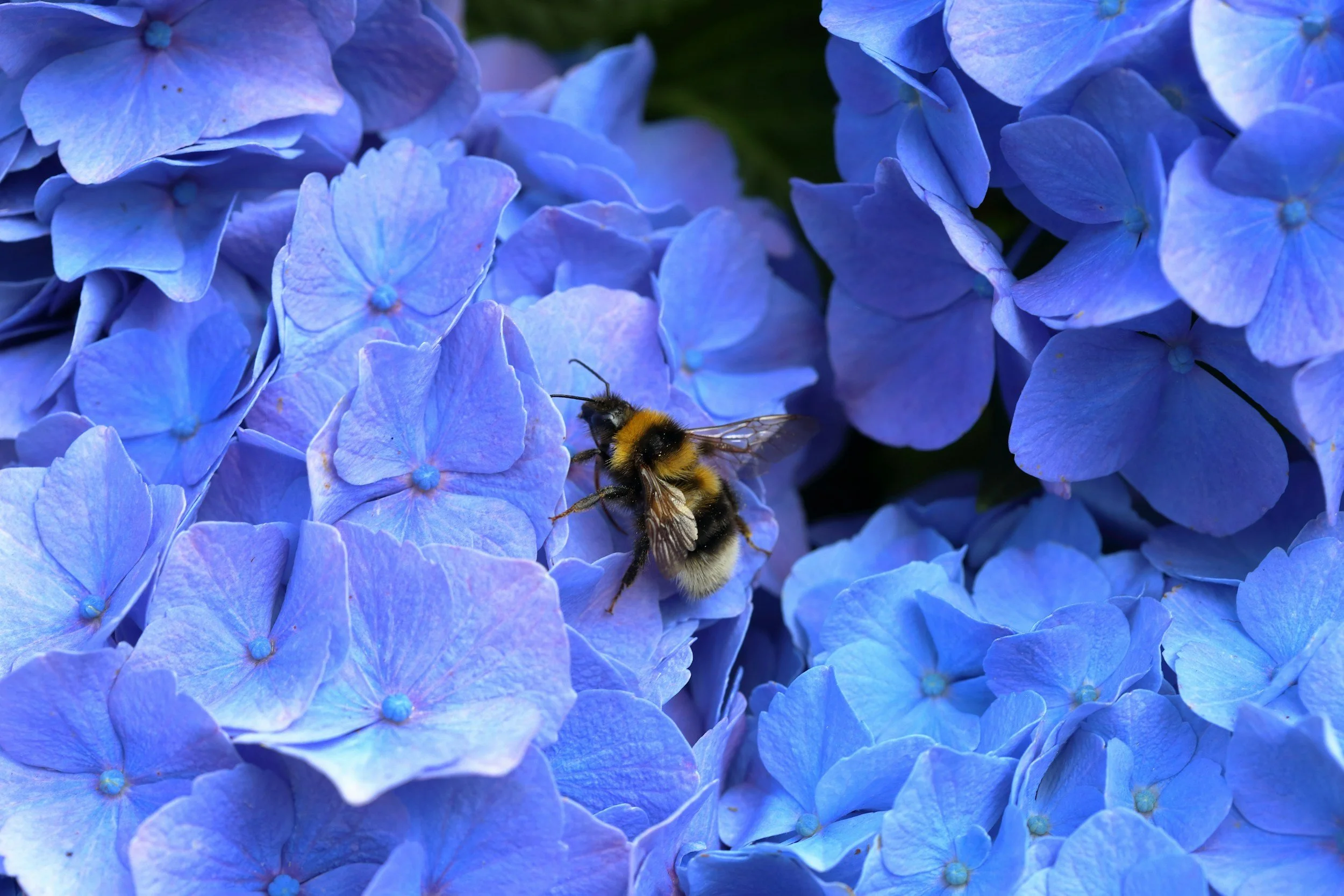
Bumblebee: We have all seen them and sometimes even get very annoyed at them flying around us. There are some 50 species in North America alone. The way they vibrate on a blossom makes them good for tomatoes.
I can't begin to name them all, so I will stop there for now. Just think of the fun you will have looking for and identifying all the bees that you have. This could be a good project for one of the children.
So now that you know what to look for, all we need to do is create a home for them, and they shall come. The following are some ideas for you to attract and keep native bees on your farm.
Riparian Buffers = food and shelter
Habitat along streams should contain a diversity of woody and flowering plants.
Snags = shelter
Let dead trees stand so some species can tunnel into dead wood for shelter.
Temporary Pasture = Food
Planting clover and alfalfa will supply your native bees with plenty of nectar and pollen.
Ponds and Ditches = Food and shelter
Along with a pond provides some piles of soil for soil nesting bees, along with wildflowers as food for your native bees.
Fallow Fields = food and shelter
Sow fallow fields with wildflowers for food, along with plants with hollow stems for a place for them to lay their eggs.
Hedgerows = food and shelter
The hedgerow should have a wide variety of plants so they will be flowering throughout the season for food and shelter.
Road and Field Borders = food and shelter
Leave areas next to fields untilled to support wildflowers and shelter.
Cover Crops = food
A diverse planting of wildflowers and legumes will help to support your native bee population.
Garden = food
With a diverse range of vegetables, herbs, and flowers, you will be providing a diverse variety of pollen and nectar.
Artificial Nest = shelter
Finally, you can build lots of different shelters.
credit Xerces Society
Just a word on wildflower seeds and plants. You can buy seeds, just make sure that you are buying seeds and not a lot of inert ingredients. It is also best to buy seeds that are native to your area and that are not hybridized. Plants should also be from native stock and not hybridized or grafted. If you are certified organic, it would be best to talk with your certifier about their policy on wildflower seeds and plants. After all that, it is cold for most of us, but no worries, winter is the time for planning and dreaming, there will be plenty of time next year for you to run through your fields of wildflowers. Have fun and enjoy your farming dream.