Spring Pastures
by Rachel Teller
Spring has finally sprung!
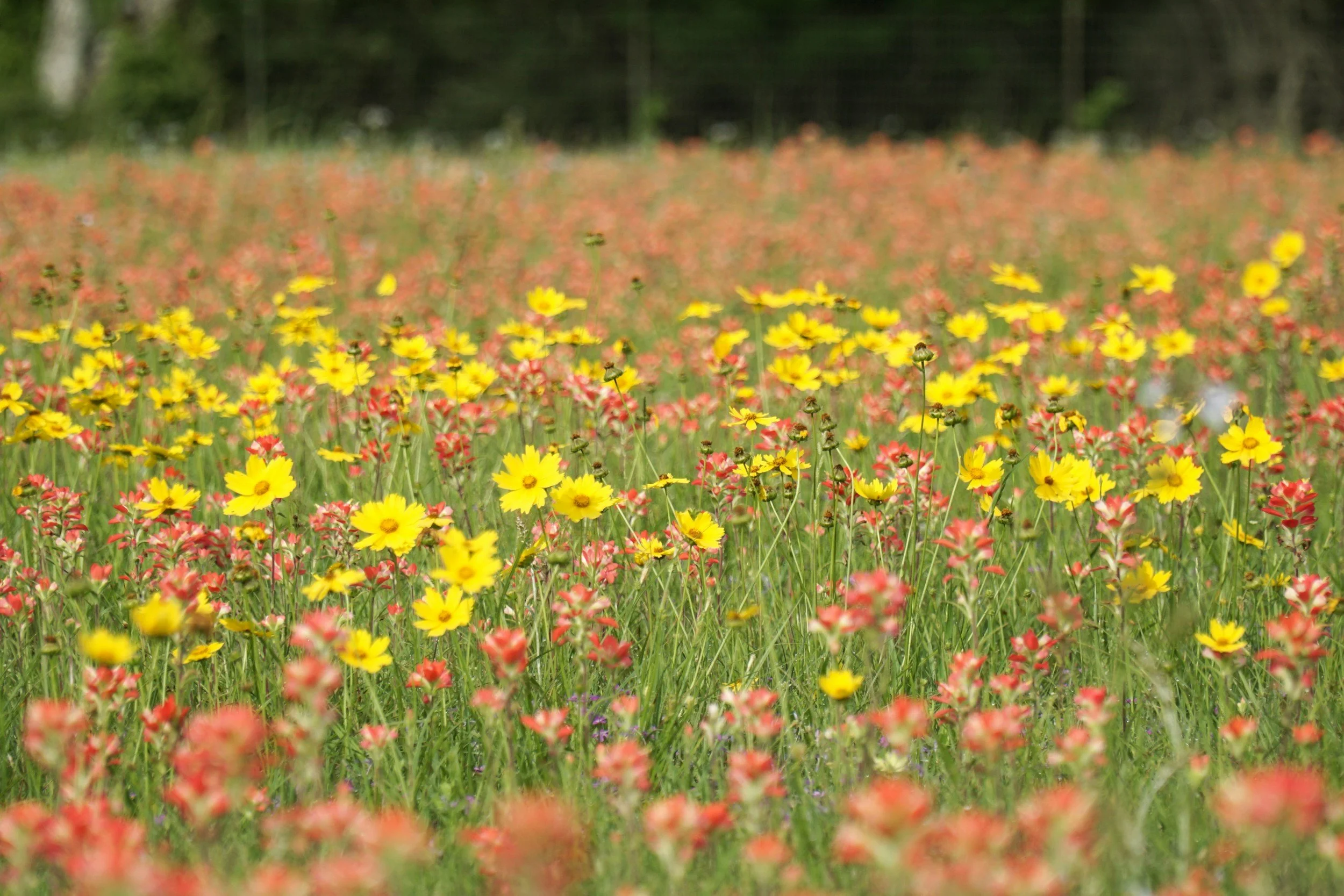
Well, hopefully soon at least. Depending on where you are located, the grass might be starting to turn green, the days are getting longer, and you and your animals are most likely itching to get out on pasture. However, before that can happen, you should take some steps to make sure the transition to fresh pasture goes as smoothly as possible.
First, after a long winter, it is a good idea to check your fence lines. Wild animals, weather events, and other unforeseen occurrences could wreak havoc on your well set up fences. Check for downed lines, misconnections, gaps, breaks, and anything else that might lead to your animals going on a field trip! It also wouldn’t hurt to check the battery/power set up to make sure the wire is actually hot. Now would be the time to replace any fence posts that may have rotted over the winter as well.
While out checking the fence line, it’s also a good time to check the overall condition of your pasture. Do you need to reseed? Have any poisonous/dangerous plants started to grow? Any holes to fill in? Take note of any “repairs” that need to be done to keep your animals safe. Maybe a sinkhole has opened that needs filled before the cows can go back out. A lot can happen over the winter.
Once you have your fences and pastures checked, fixed, and ready, now you can start planning to let your animals stretch their legs. As much as you, and them, want to take advantage of the lush grass that is growing, it is in their best interest to take it slowly. No good will come from letting all the animals out on the first sunny spring day. The animals will benefit from a slow introduction back onto the fresh grass. This will not only let the pasture continue its growth process, but it will allow the digestive system of your animal to acclimate to the new feed source. Start letting the herd out for an hour or two and then slowly increase the time out on pasture to your desired amount. If possible, don’t put them out first thing in the morning, as the grass may still have a coating of frost. Wait until after lunch when the frost and dew have burned off. This will help prevent unnecessary cases of bloat and also help with parasite management.
It is also helpful to keep in mind that lush spring grass has a high moisture content. At this time of year, it is important to keep on hand extra mineral supplementation, particularly magnesium, in case of grass tetany. These grasses may also have a higher than average sugar content. Make sure your herd has plenty of effective fiber and scratch to stimulate proper rumination and buffer production or providing extra buffer for them to consume will help maintain rumen health.
We are all looking forward to longer, sunnier days and all the positives that come with them. So are the animals! Let’s not rush to get them back out on pasture before you, them, or your pastures are ready.