Starting a Homestead on Less Than One Acre: Small Space, Big Potential
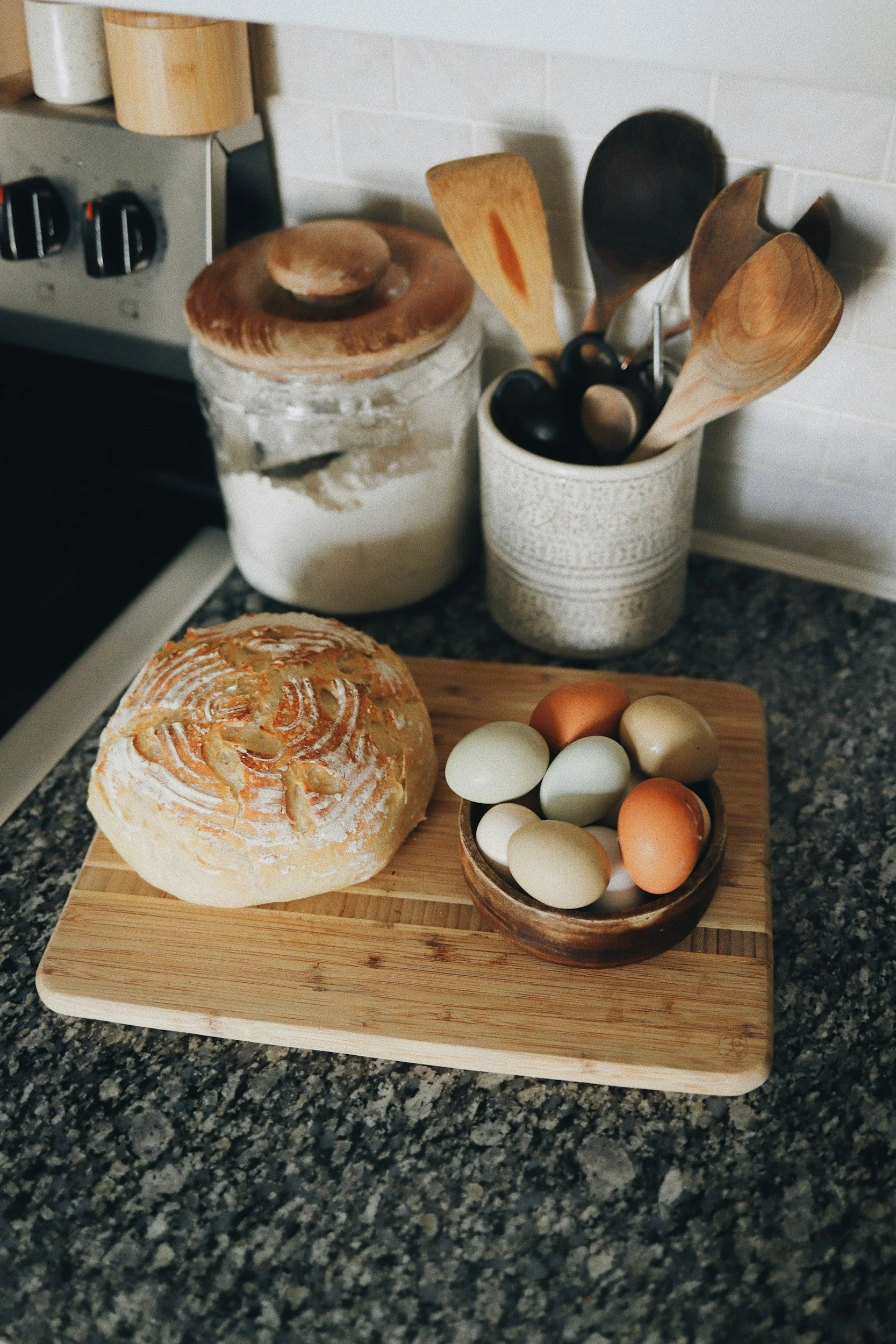
When people picture a homestead, they often imagine wide-open acreage, barns, and endless garden rows. But here’s the truth: you don’t need acres to live a more self-sufficient, homestead-inspired life. Whether you’re on a quarter-acre in the suburbs or a modest rural lot, you can grow food, improve your soil, and raise small livestock—with the right strategy.
If you’re just getting started, the key is starting small, prioritizing soil health, and using your space intentionally.
Start With the Ground Beneath Your Feet
Before planting a single seed, focus on your soil. Healthy soil is the foundation of everything—vegetables, fruit trees, herbs, and even pasture for chickens. Many small properties have compacted, nutrient-depleted soil due to construction or years of lawn care.
This is where building soil biology matters. Adding organic matter, minerals, and natural fertilizers helps improve structure, drainage, and nutrient availability. Products from The Fertrell Company can support this process by feeding the soil first, which in turn feeds your plants more efficiently over time. Even in raised beds or containers, quality soil inputs make a noticeable difference.
A simple soil test can also guide you so you’re not guessing—or overapplying—nutrients.
Choose High-Impact, Space-Smart Crops
When space is limited, every square foot should earn its keep. Start with crops that give you the biggest return:
Leafy greens (lettuce, kale, spinach)
Herbs (basil, parsley, thyme)
Tomatoes and peppers
Bush beans or trellised pole beans
Zucchini (one plant goes a long way)
Raised beds are ideal for small homesteads because they allow for tighter spacing, better soil control, and easier maintenance. Vertical gardening—using trellises, cattle panels, or fences—lets you grow up instead of out, maximizing yield without expanding your footprint.
Succession planting (replanting after harvest) keeps beds productive throughout the season.
Think Beyond the Garden Bed
A small homestead isn’t just vegetables. Fruit trees and berry bushes can fit beautifully into small properties when chosen wisely. Dwarf or semi-dwarf fruit trees provide harvests without overwhelming your yard. Blueberries, raspberries, and strawberries can be tucked along fences or borders.
Composting is another must. Even a small bin or tumbler reduces waste and creates nutrient-rich material you can return to your soil—closing the loop on your homestead system.
Chickens: Check the Rules First
Many people with less than an acre wonder if chickens are possible—and the answer is often yes, with some caveats. Local zoning laws and HOA regulations vary widely. Some HOAs prohibit livestock outright, while others allow hens (but not roosters), limit flock size, or require specific coop placement.
If chickens are allowed, a small coop with a secure run can fit into surprisingly tight spaces. Chickens provide eggs, pest control, and manure that—once composted—can be a valuable soil amendment. Just be sure to plan for odor control, predator protection, and respectful placement near neighbors.
Maximize, Don’t Overwhelm
The biggest mistake new small-scale homesteaders make is trying to do everything at once. Start with one garden area, improve your soil, and learn how your land behaves through the seasons. Add systems gradually—another bed next year, a compost setup, maybe chickens down the line.
Homesteading on less than an acre isn’t about size—it’s about intentional choices, healthy soil, and working smarter with what you have. With thoughtful planning and the right inputs, even the smallest properties can produce food, resilience, and a deep sense of satisfaction.